Smarter Drafter Pro
Smarter Drafter Pro
Unlocking two time-sensitive enterprise deals by re-architecting a legaltech platform for large-scale data sharing: I co-created the core data model and owned the UX/UI execution.
Unlocking two time-sensitive enterprise deals by re-architecting a legaltech platform for large-scale data sharing: I co-created the core data model and owned the UX/UI execution.
Year
Year
2025
2025
platform
platform
b2b saas
b2b saas
Roles
Roles
Data-model co-creation
UX/ui design
context
context
Building a clearer, more consistent data ecosystem
Building a clearer, more consistent data ecosystem
Smarter Drafter Pro is an enterprise-grade legaltech platform for generating accurate legal documents through form-filling.
The problem:
Firms needed the platform to better retain and reuse matter data entered into a form, to avoid re-keying and speed up document generation. The existing architecture couldn’t support this, so the PM and I created the Matter Record system: a new concept defining how data should be structured, reused, and surfaced for users.
Smarter Drafter Pro is an enterprise-grade legaltech platform for generating accurate legal documents through form-filling.
The problem:
Firms needed the platform to better retain and reuse matter data entered into a form, to avoid re-keying and speed up document generation. The existing architecture couldn’t support this, so the PM and I created the Matter Record system: a new concept defining how data should be structured, reused, and surfaced for users.
Discovery & insights
Discovery & insights
What the system wasn't doing
What the system wasn't doing
In ongoing conversations with customers, several friction points in our existing model emerged:
The mental model for how data-sharing worked was unclear and misaligned with real legal workflows.
How a user told the system which data should fill which role (Role Assignment) was unintelligent and burdensome.
Users didn’t want to see complex tables without good reason - they expected matter data to fill automatically and predictably.
Critically, two enterprise clients were delaying go-live until data-sharing met their needs.
In ongoing conversations with customers, several friction points in our existing model emerged:
The mental model for how data-sharing worked was unclear and misaligned with real legal workflows.
How a user told the system which data should fill which role (Role Assignment) was unintelligent and burdensome.
Users didn’t want to see complex tables without good reason - they expected matter data to fill automatically and predictably.
Critically, two enterprise clients were delaying go-live until data-sharing met their needs.
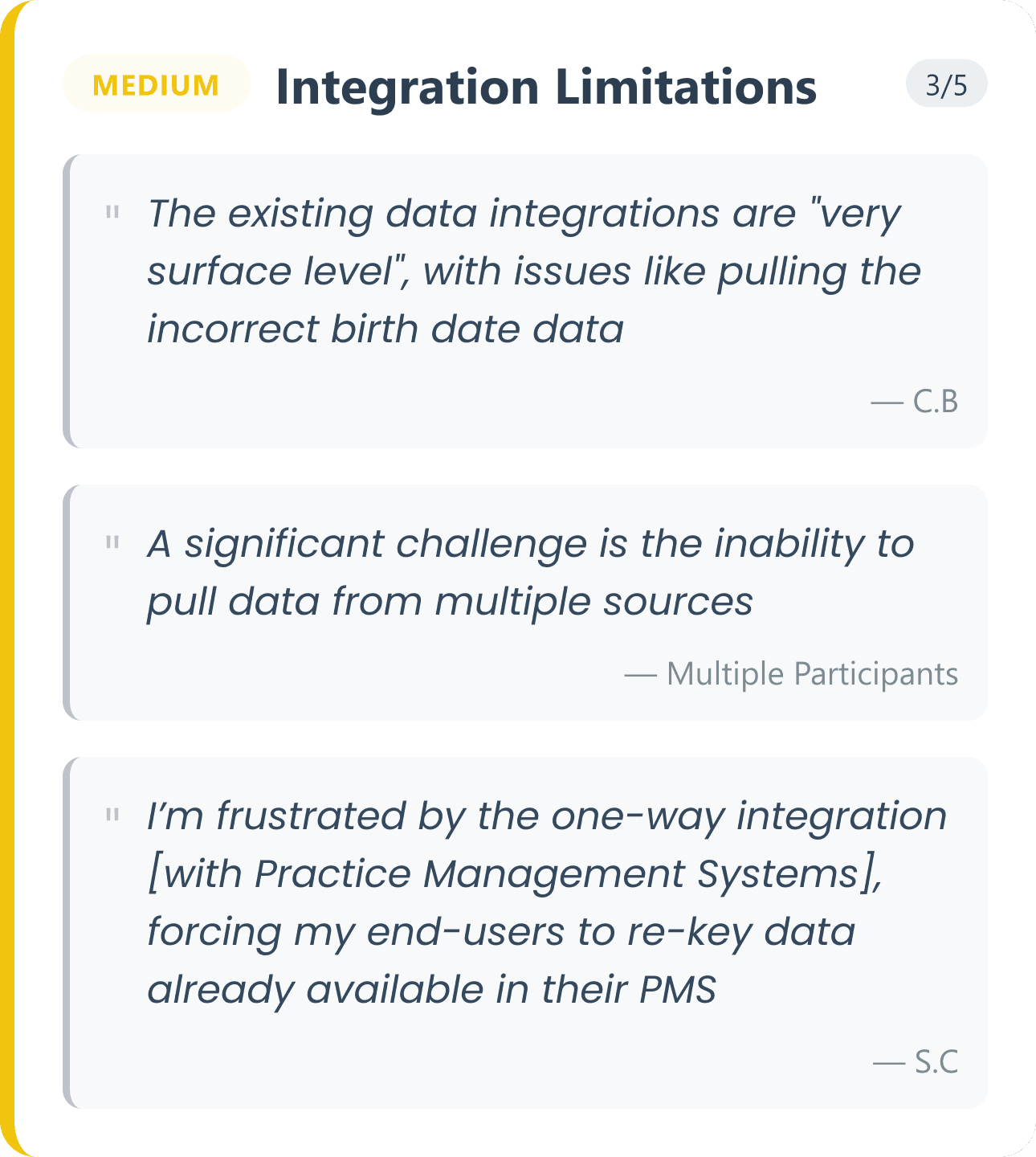
Unexpectedly (and thankfully), interview research I conducted on a separate project surfaced flaws in our data-sharing model.
Unexpectedly (and thankfully), interview research I conducted on a separate project surfaced flaws in our data-sharing model.
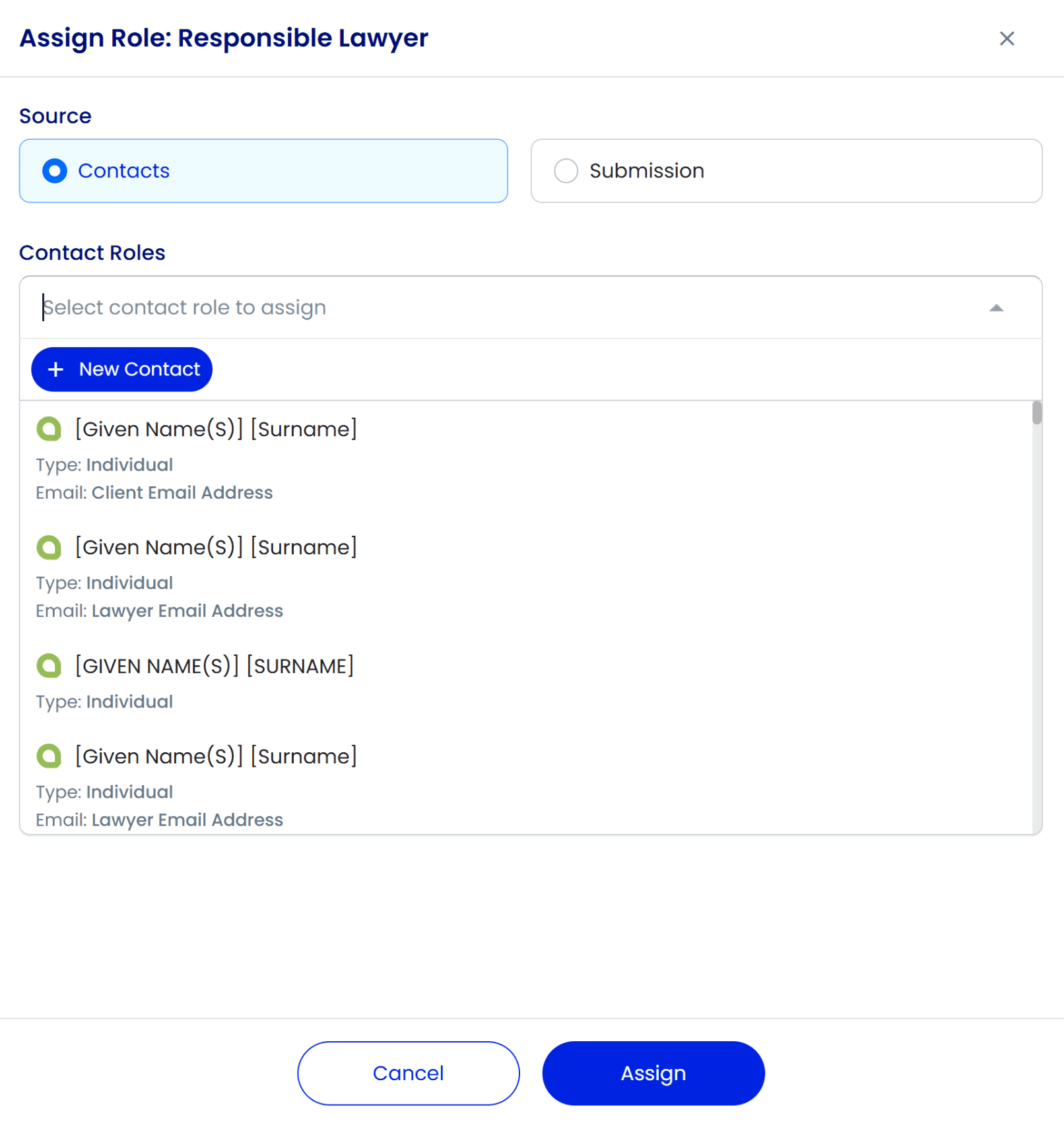
BEFORE: Unclear terminology (assigning Roles to Roles), long selection lists and sources that didn't align with real legal workflows.
BEFORE: Unclear terminology (assigning Roles to Roles), long selection lists and sources that didn't align with real legal workflows.
goals and metrics
goals and metrics
What users needed from the system
What users needed from the system
Our goal was a data reuse workflow that integrated with existing users' systems, and reduced re-keying and sped up document automation in the process.
Success metrics:
Reduced time spent in the pre-form 'Role assignment' modal
Improved automatic data fill accuracy rate
2 pending deals closed
Bonus goal:
Introduce a new Custom Data Source screen that would help unlock more enterprise clients.
Our goal was a data reuse workflow that integrated with existing users' systems, and reduced re-keying and sped up document automation in the process.
Success metrics:
Reduced time spent in the pre-form 'Role assignment' modal
Improved automatic data fill accuracy rate
2 pending deals closed
Bonus goal:
Introduce a new Custom Data Source screen that would help unlock more enterprise clients.
solution 01
solution 01
Separating reusable vs matter-specific data
Separating reusable vs matter-specific data
First up, we needed to lock in the improved mental model for data reuse.
The PM brought the initial insights and conceptual direction, I translated them in conjunction with user interviews into the below visuals, testing and refining the structure with internal and external power users to lock in our final version.
The introduction of a new data label - Record Types - became the key to unlocking the new structure, and allowed us to define what data was reusable and what was unique to a particular matter.
First up, we needed to lock in the improved mental model for data reuse.
The PM brought the initial insights and conceptual direction, I translated them in conjunction with user interviews into the below visuals, testing and refining the structure with internal and external power users to lock in our final version.
The introduction of a new data label - Record Types - became the key to unlocking the new structure, and allowed us to define what data was reusable and what was unique to a particular matter.
The model:
The model:
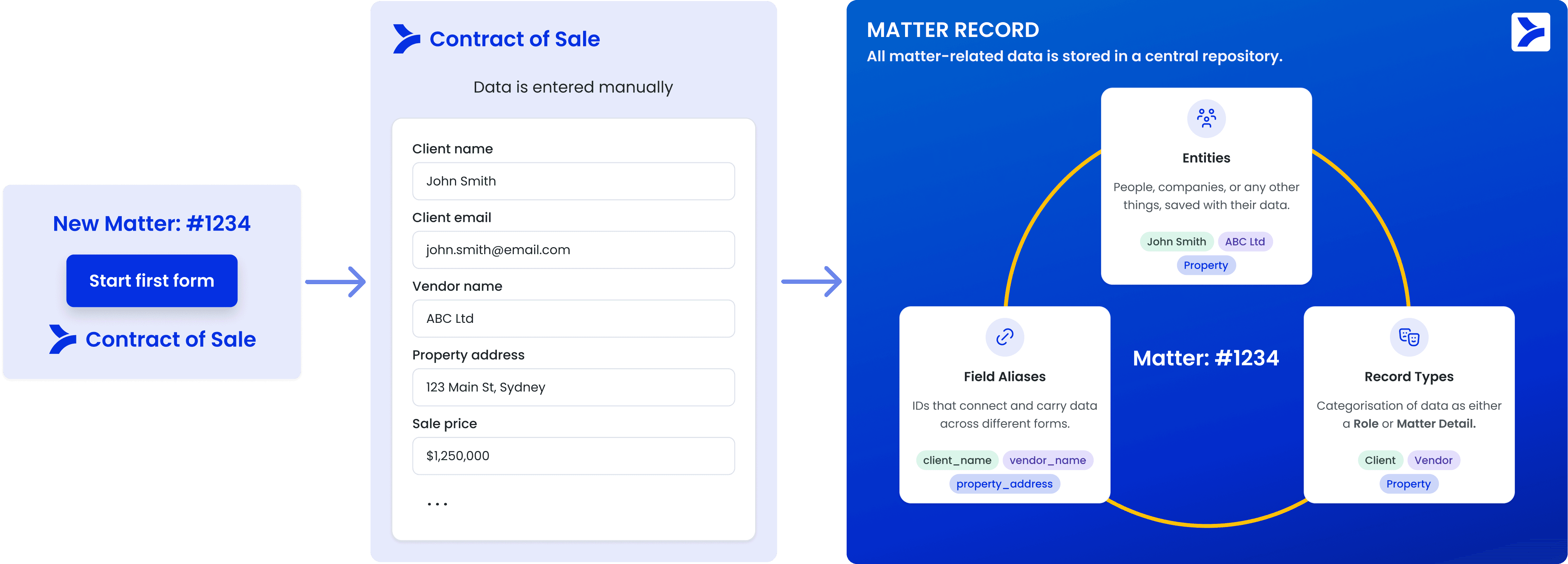
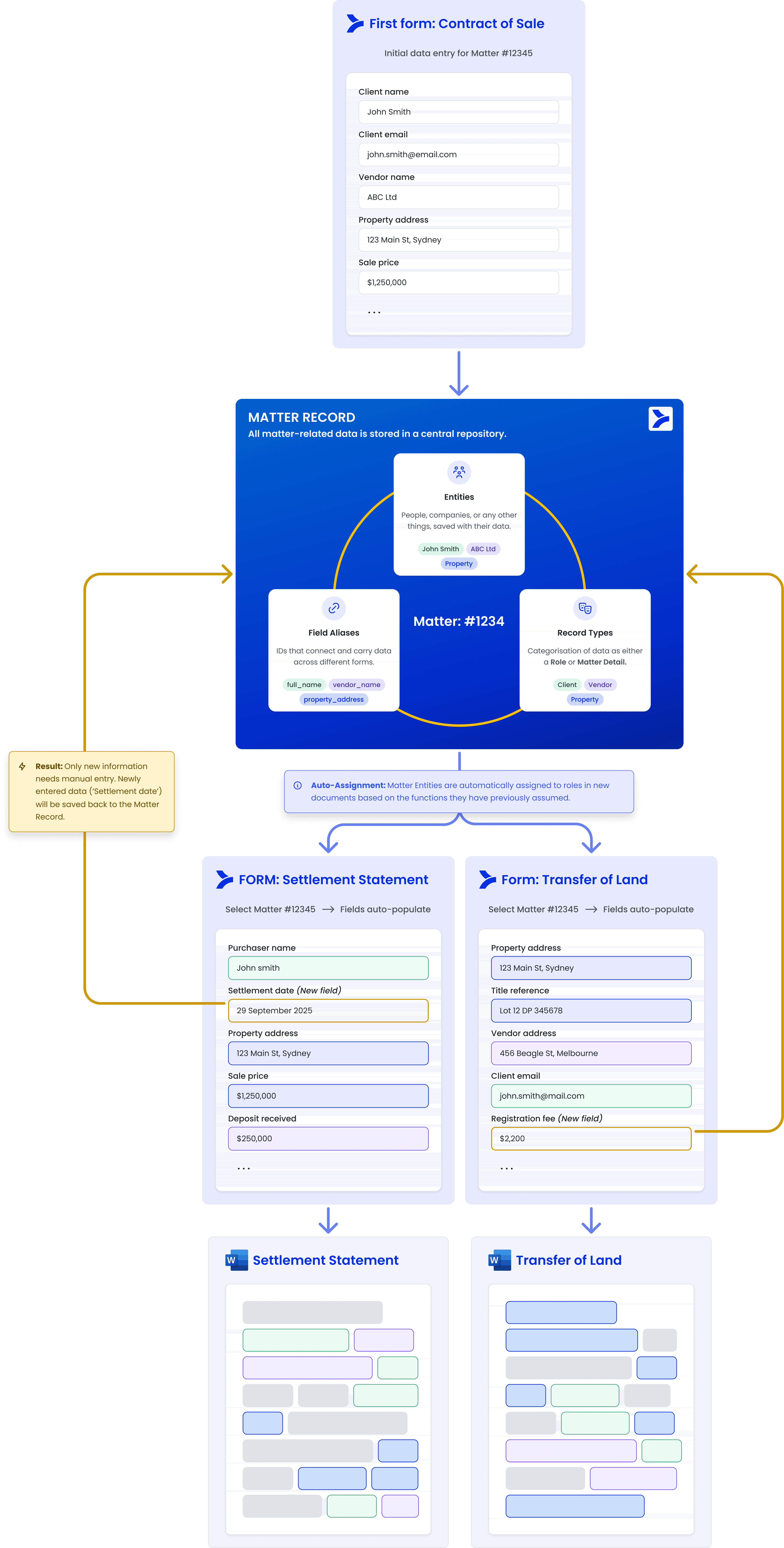
First time filling a form: If no data exists yet, the form-filler enters it manually and it’s saved to the Matter Record.
First time filling in a form for a Matter: Existing data may or may not exist, therefore the form filler may need to manually enter the information (to be stored in the Matter Record).
Next time filling in a form: Entities will automatically be assigned based on data stored in the Matter Record from previous submissions, and any existing data will pre-fill the form and thus the document.
First time filling a form: If no data exists yet, the form-filler enters it manually and it’s saved to the Matter Record.
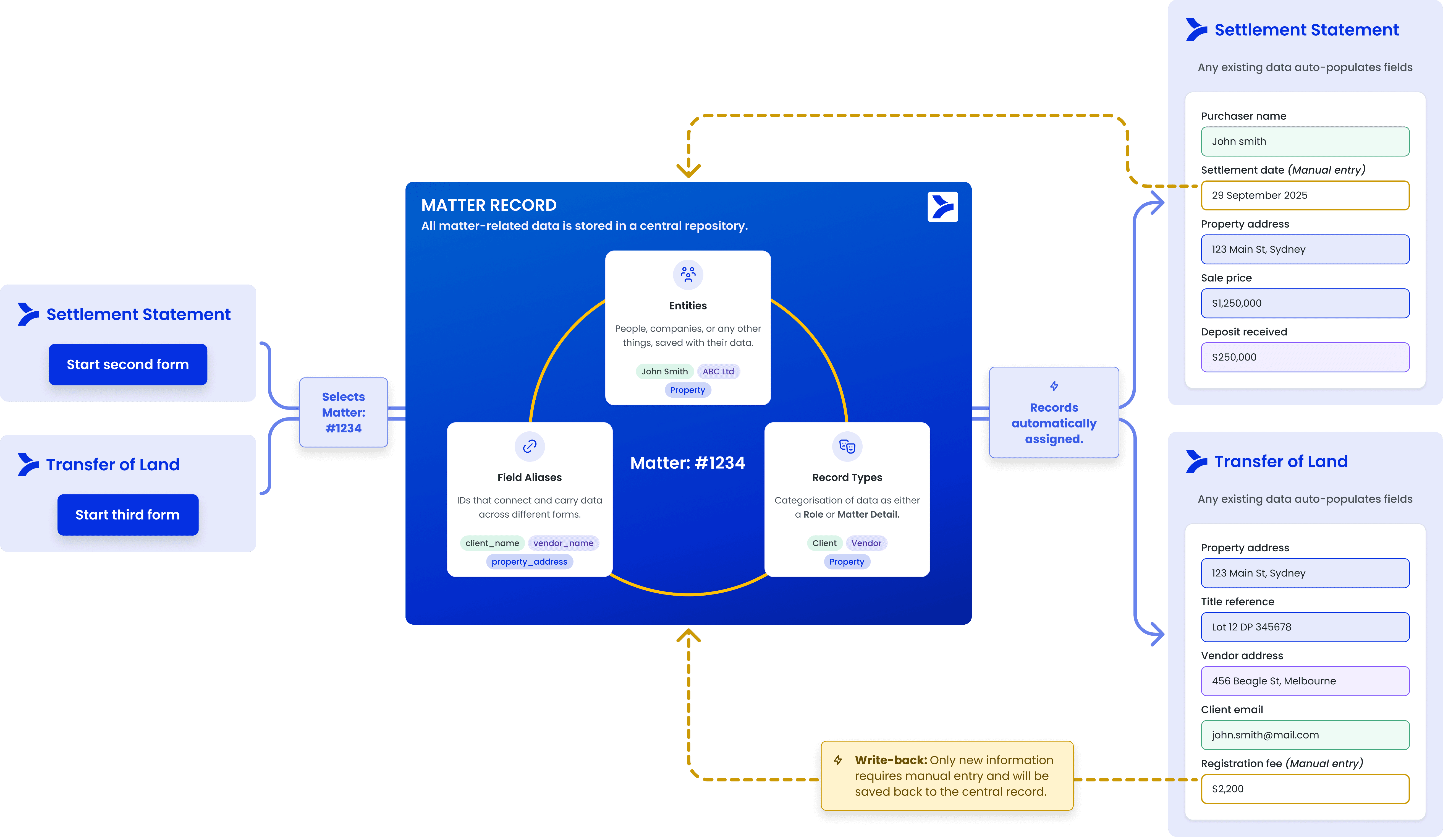
Next time filling a form: Stored entities auto-assign to Roles and Matter Details - any existing data pre-fills the form and document.
"We faced a massive challenge [with the Matter Record]: creating a way to re-use data across a highly complex, legacy data structure to enable external integrations.
Lukas navigated significant technical constraints and historical workflows to design a seamless, intuitive experience."
"We faced a massive challenge [with the Matter Record]: creating a way to re-use data across a highly complex, legacy data structure to enable external integrations.
Lukas navigated significant technical constraints and historical workflows to design a seamless, intuitive experience."

Tenzin Lama
Tenzin Lama
Product Manager, Tensis (Smarter Drafter Pro)
Product Manager, Tensis (Smarter Drafter Pro)
design trade off
design trade off
Stability and functionality over perfect UX
Stability and functionality over perfect UX
With the data model locked in, I began work on the end-to-end data reuse flow.
My first proposal was to move an already overloaded modal for the pre-filling step to its own page (to allow for the extra functionality), so users could start this flow in a clean environment. However, with technical and design debt slowing us down, and two pending deals looming, V1 required practical, low-risk UX choices first.
So the existing modal would stay, and had to carry more content than ideal. Instead I focused on clarity in the IA and repeatability in the process - accepting temporary UX compromises until we could build a cleaner solution.
With the data model locked in, I began work on the end-to-end data reuse flow.
My first proposal was to move an already overloaded modal for the pre-filling step to its own page (to allow for the extra functionality), so users could start this flow in a clean environment. However, with technical and design debt slowing us down, and two pending deals looming, V1 required practical, low-risk UX choices first.
So the existing modal would stay, and had to carry more content than ideal. Instead I focused on clarity in the IA and repeatability in the process - accepting temporary UX compromises until we could build a cleaner solution.
The form filling experience
The form filling experience
The form filling experience
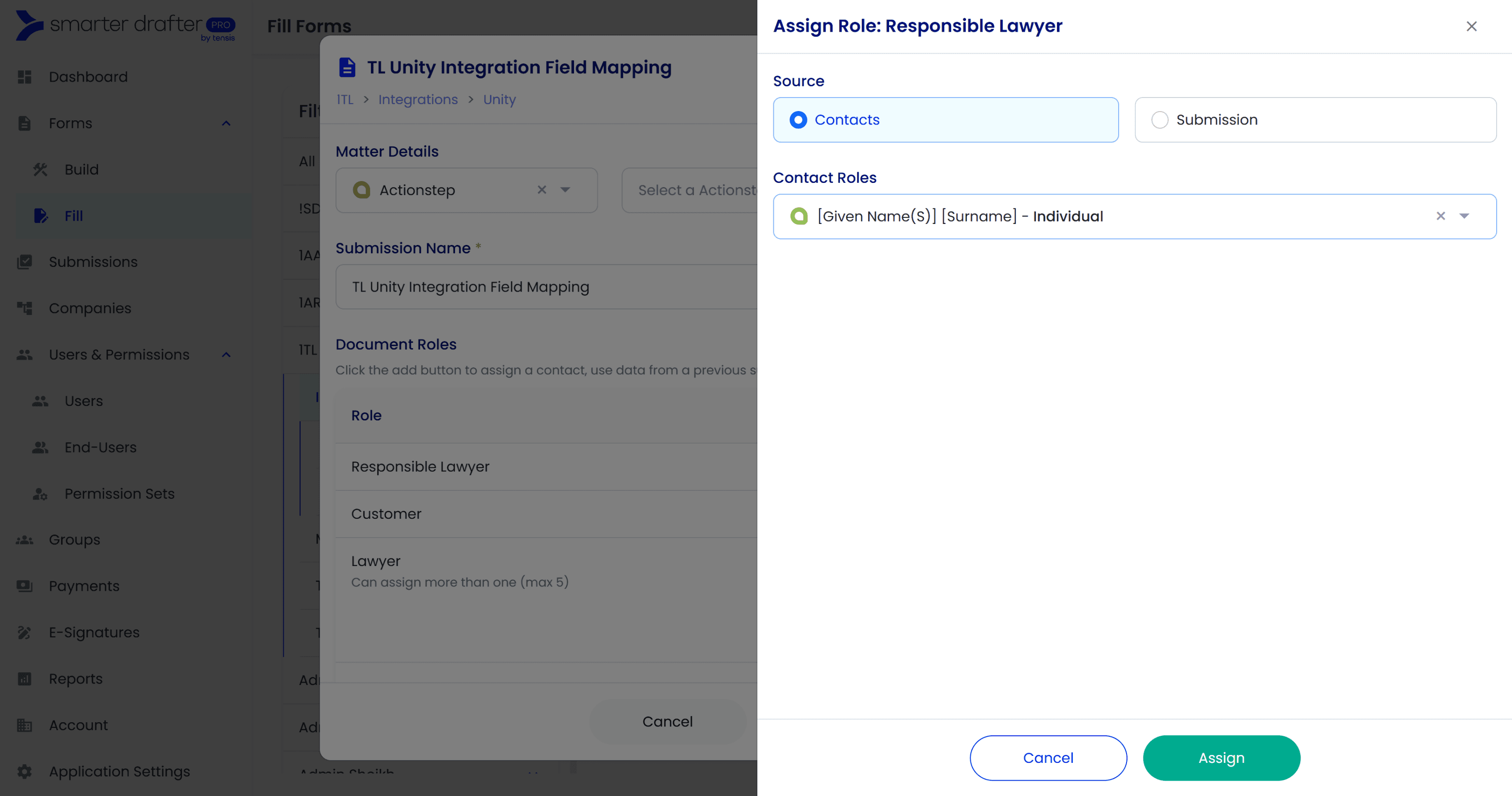
Before: The existing behaviour of side panels appearing over modals needed reworking, but the complexity of the backend meant changing this ultimately fell out of scope for V1.
Before: The existing behaviour of side panels appearing over modals needed reworking, but the complexity of the backend meant changing this ultimately fell out of scope for V1.
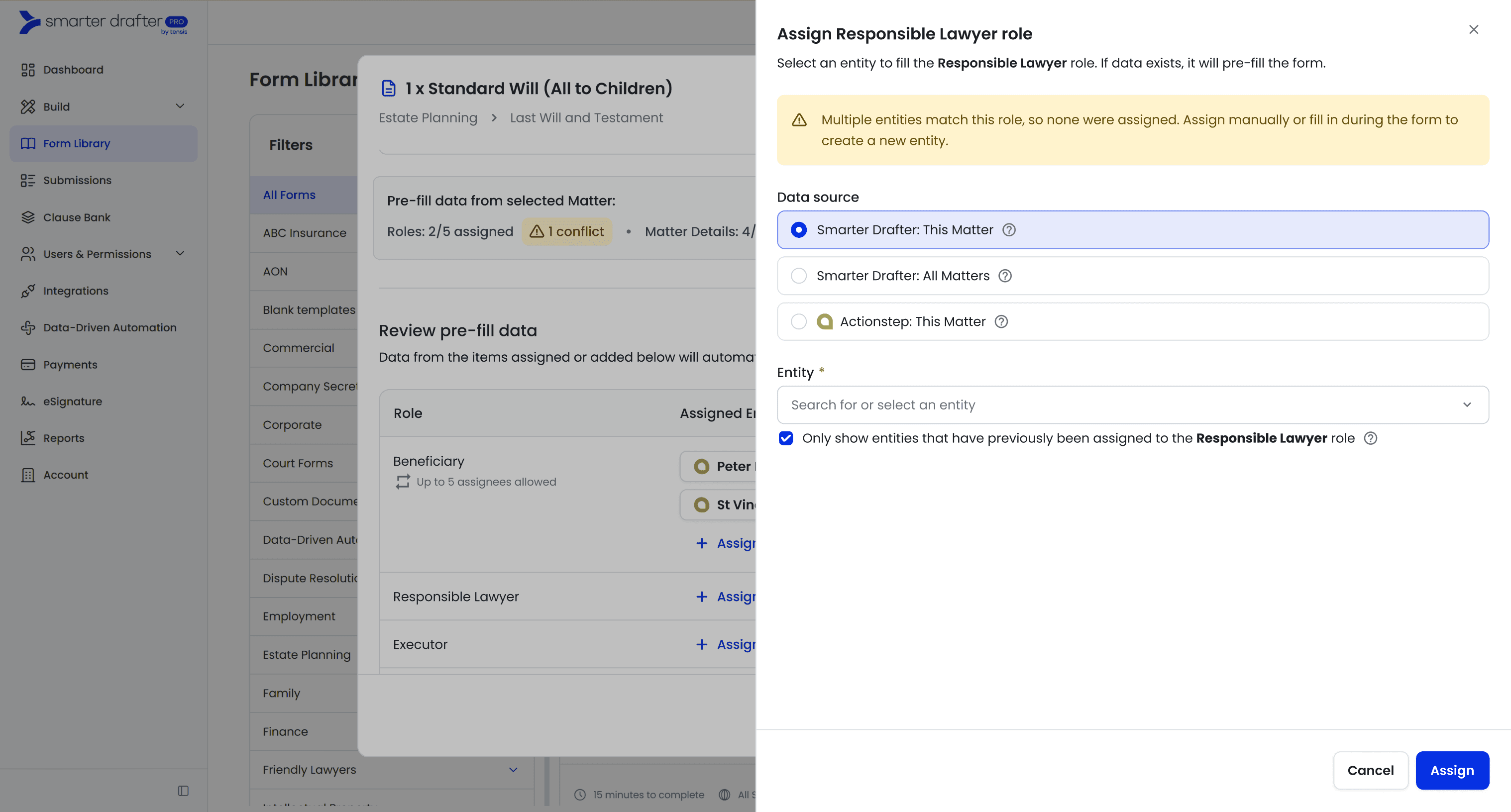
AFTER: To ship safely and on time, the new model had to live within the existing UI, with the addition of clearer data-source selection and added guidance via copy, tooltips, and banners. A later phase will move this flow to its own page for a lighter, clearer UX.
AFTER: To ship safely and on time, the new model had to live within the existing UI, with the addition of clearer data-source selection and added guidance via copy, tooltips, and banners. A later phase will move this flow to its own page for a lighter, clearer UX.
solution 02
solution 02
Rebuilding the end-to-end experience
Rebuilding the end-to-end experience
There were three main workflows that the new structure now affected:
In the Record Types tab, admins had to manage complex, multi-role data.
When building forms, form builders had to map an additional Record Type.
Prior to filling a form, form fillers had to be able to assign complex role data via a 1 step modal
To ensure the workflow was consistent across all three touchpoints, I introduced a clear repeatable visual language and built trust and made sure targeted guidance was available at every step.
There were three main workflows that the new structure now affected:
In the Record Types tab, admins had to manage complex, multi-role data.
When building forms, form builders had to map an additional Record Type.
Prior to filling a form, form fillers had to be able to assign complex role data via a 1 step modal
To ensure the workflow was consistent across all three touchpoints, I introduced a clear repeatable visual language and built trust and made sure targeted guidance was available at every step.
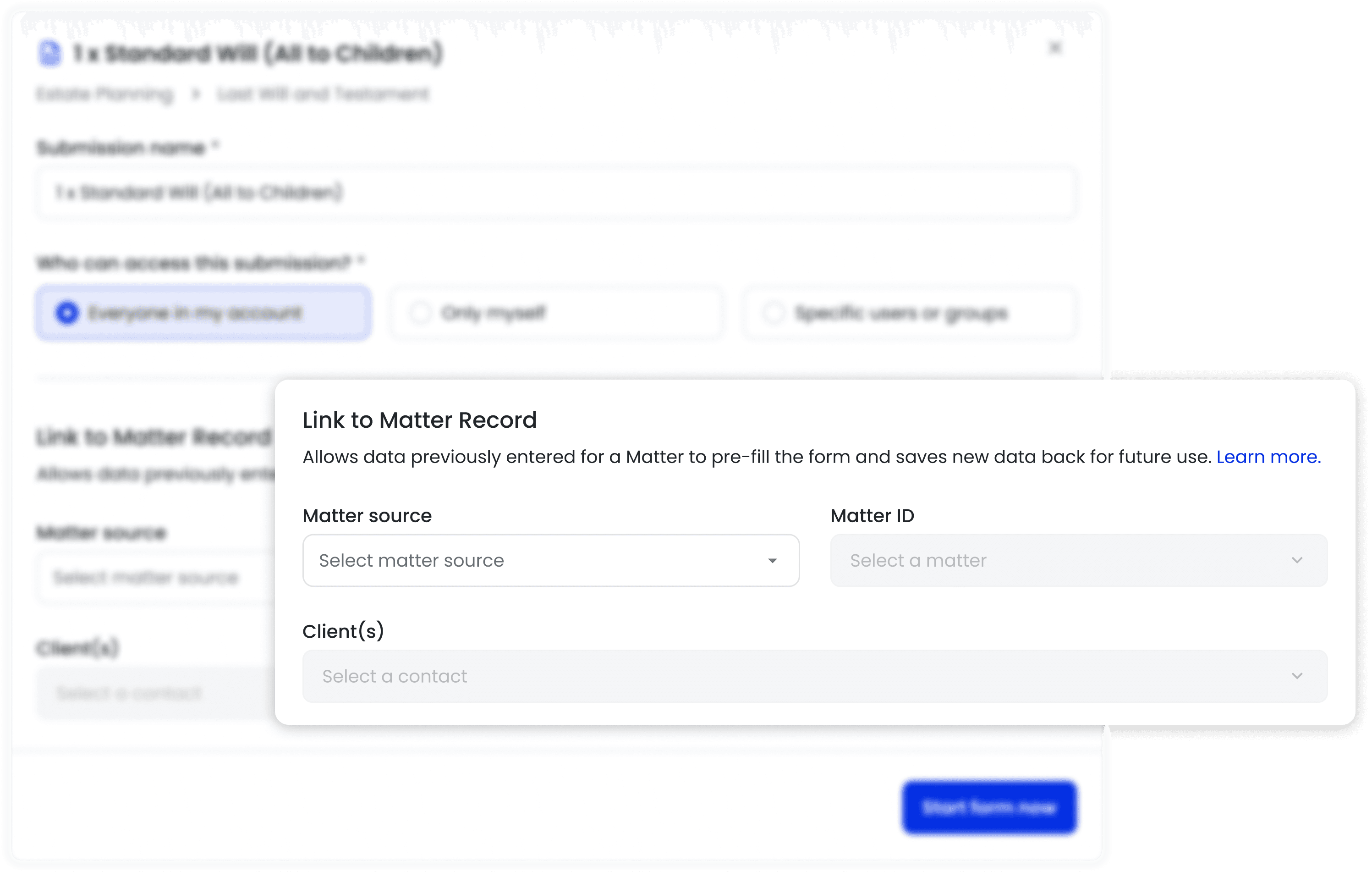
Benefit-driven copy guided users to how certain inputs unlocked advanced pre-filling and reuse functionalities.
Benefit-driven copy guided users to how certain inputs unlocked advanced pre-filling and reuse functionalities.
Benefit-driven copy guided users to how certain inputs unlocked advanced pre-filling and reuse functionalities.
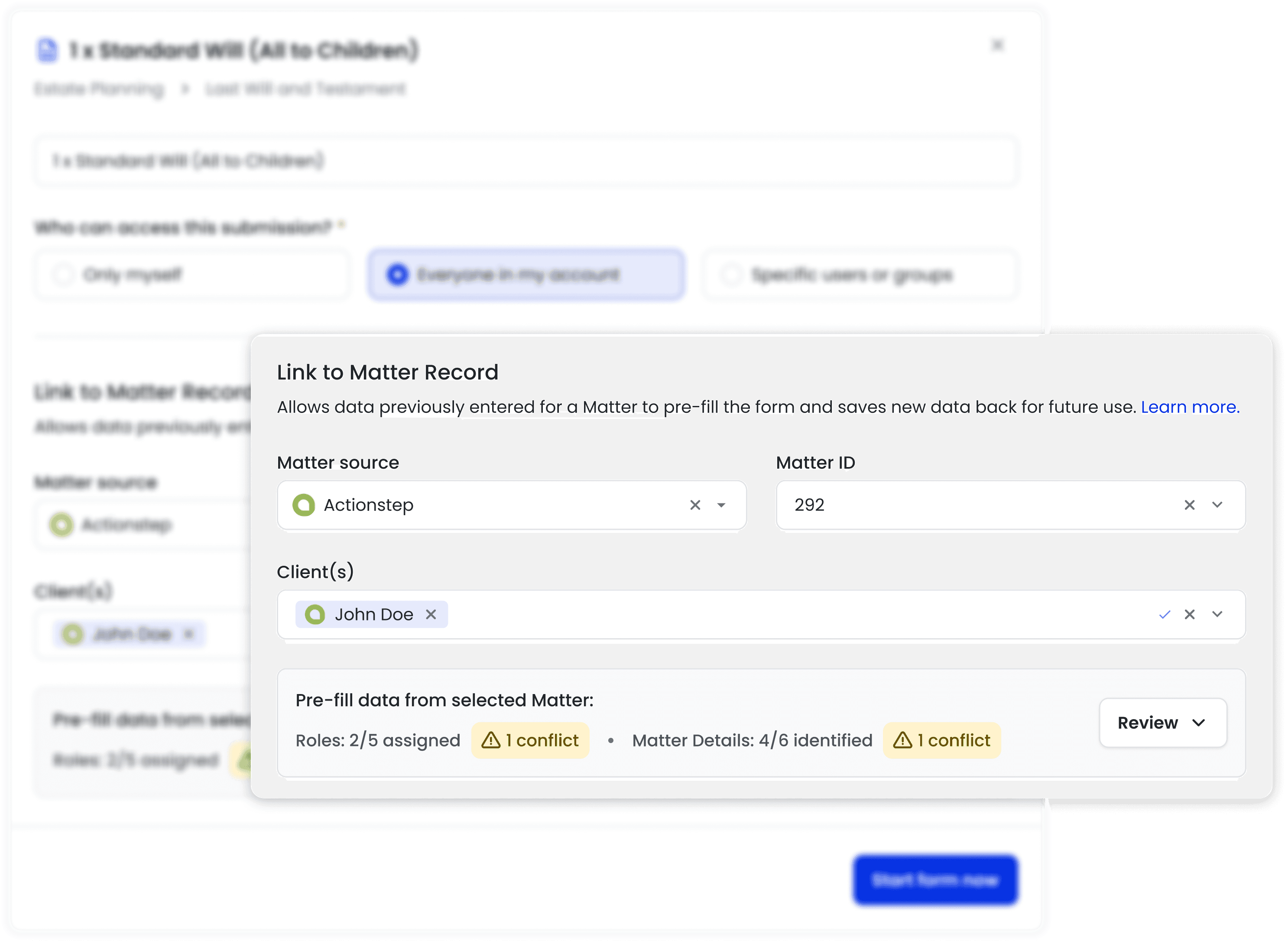
A pre-fill data summary appeared instantly after linking, to build trust and show system status. The user could then open the 'Review' panel (collapsed by default to avoid visual clutter) to check and/or edit automatic assignments.
A pre-fill data summary appeared instantly after linking, to build trust and show system status. The user could then open the 'Review' panel (collapsed by default to avoid visual clutter) to check and/or edit automatic assignments.
A pre-fill data summary appeared instantly after linking, to build trust and show system status. The user could then open the 'Review' panel (collapsed by default to avoid visual clutter) to check and/or edit automatic assignments.
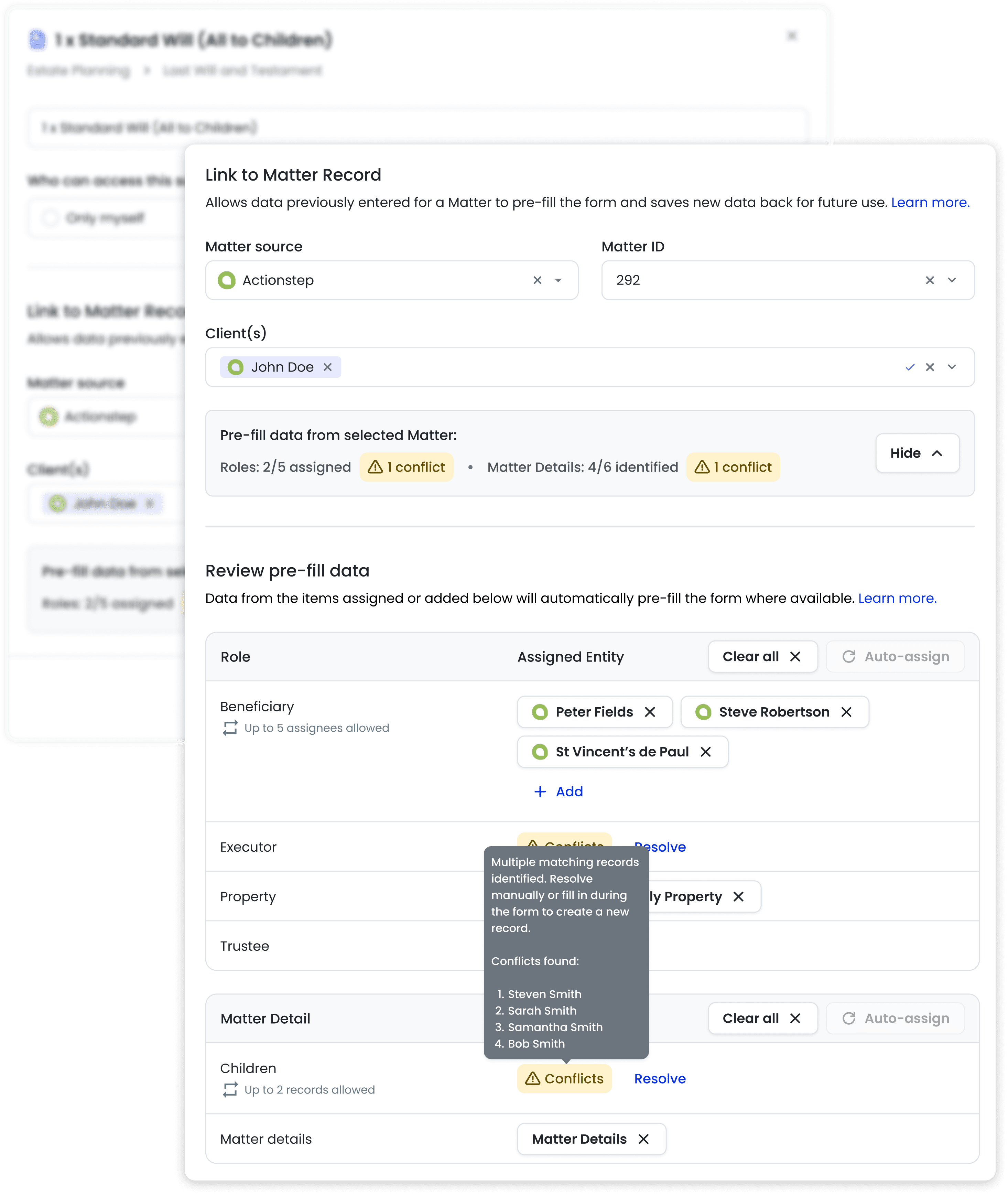
Expanding the Review section allowed for a wider set of controls and visibility over statuses, and guided users predictably towards conflict resolution.
Expanding the Review section allowed for a wider set of controls and visibility over statuses, and guided users predictably towards conflict resolution.
Expanding the Review section allowed for a wider set of controls and visibility over statuses, and guided users predictably towards conflict resolution.
The admin experience
The admin experience
The admin experience
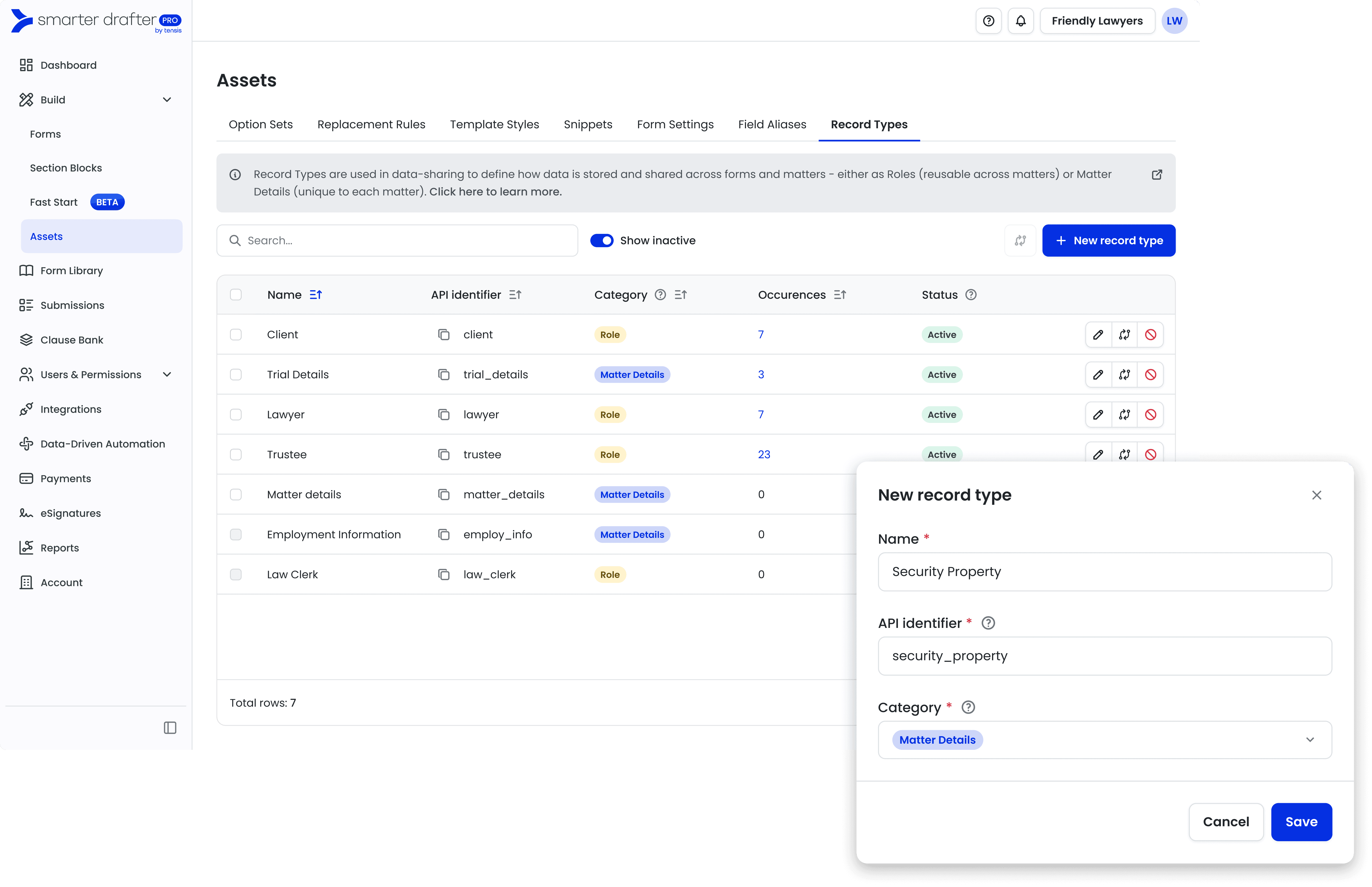
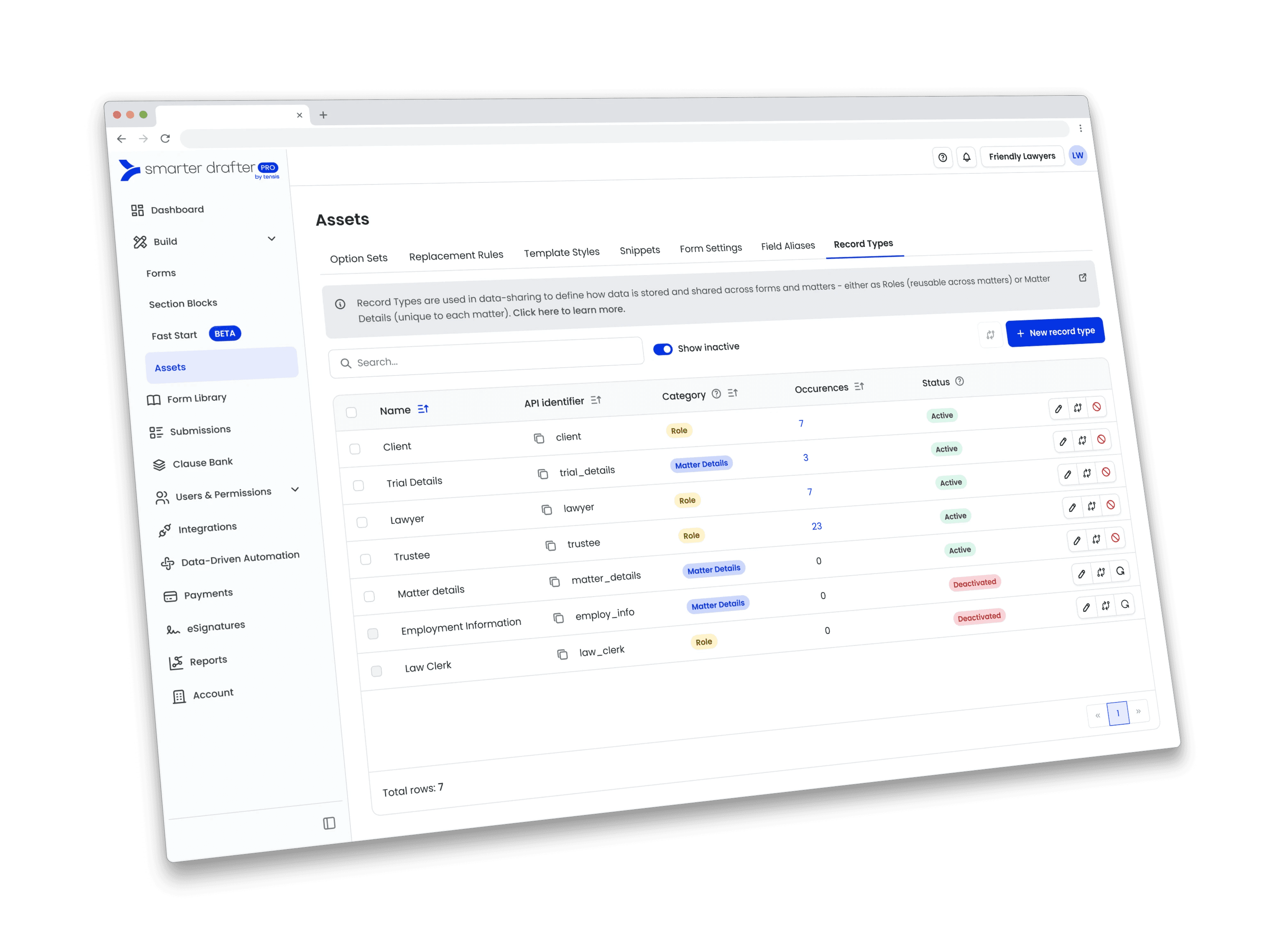
Creating & managing Record Types: I used banners and tooltips to aid comprehension and adoption, and colour-coded badges and clear actions to make complex data groupings easy to distinguish and organise.
Creating & managing Record Types: I used banners and tooltips to aid comprehension and adoption, and colour-coded badges and clear actions to make complex data groupings easy to distinguish and organise.
solution 03
solution 03
Custom Data Sources
Custom Data Sources
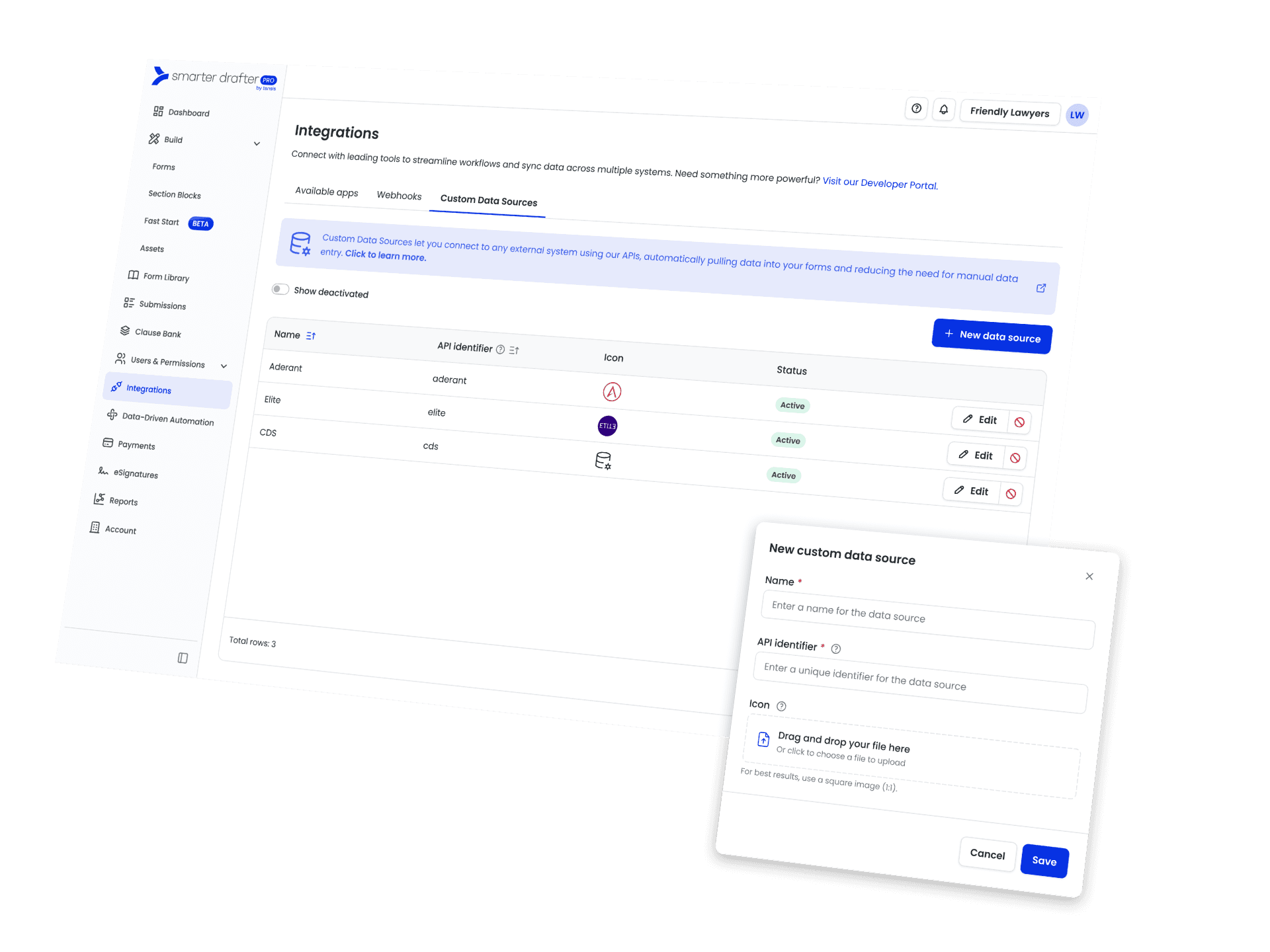
With a consistent way to store and surface data proving successful, we were then able to achieve what was initially a clutch goal: allowing users to connect their existing data to our structure via Custom Data Sources.
This meant we could now support clients with complex or non-standard data setups.
I led the design of the integration experience.
With a consistent way to store and surface data proving successful, we were then able to achieve what was initially a clutch goal: allowing users to connect their existing data to our structure via Custom Data Sources.
This meant we could now support clients with complex or non-standard data setups.
I led the design of the integration experience.
outcomes
outcomes
Two enterprise deals closed
Two enterprise deals closed
Rekeying was significantly reduced
Data-filling accuracy improved
Power users and novices alike could start their forms with greater control and certainty over their data
The model positioned the platform for AI-assisted drafting (the next phase)
Rekeying was significantly reduced
Data-filling accuracy improved
Power users and novices alike could start their forms with greater control and certainty over their data
The model positioned the platform for AI-assisted drafting (the next phase)
"Lukas' ability to visualise and simplify the Matter Record concept helped me align stakeholders and technology partners easily… leading immediately to closing two major deals for the company.
Its success has led to a high proportion of our developer capacity being dedicated to continue to extend the feature."
"Lukas' ability to visualise and simplify the Matter Record concept helped me align stakeholders and technology partners easily… leading immediately to closing two major deals for the company.
Its success has led to a high proportion of our developer capacity being dedicated to continue to extend the feature."
Tenzin Lama
Product Manager, Tensis (Smarter Drafter Pro)
— Tenzin Lama
Product Manager, Tensis (Smarter Drafter Pro)
Other Work
Other Work
RoundTable
2025
Designing a creator monetisation platform from concept to market-ready MVP in 4 weeks.
RoundTable
2025
Designing a creator monetisation platform from concept to market-ready MVP in 4 weeks.
Designing a creator monetisation platform from concept to market-ready MVP in 4 weeks.
Lodgicl
2024
Prototyping a new-to-market mobile legaltech MVP in 2.5 weeks - helping secure significant pre-seed funding.
Lodgicl
2024
A rapid prototyping project to streamline on-the-ground insurance assessments.
A rapid prototyping project to streamline on-the-ground insurance assessments.
Lodgicl
2024
Prototyping a new-to-market mobile legaltech MVP in 2.5 weeks - leading to significant pre-seed funding.
Prototyping a new-to-market mobile legaltech MVP in 2.5 weeks - leading to significant pre-seed funding.
LUKAS WHITING 2025
BACK TO TOP
LUKAS WHITING 2025
BACK TO TOP